Cuban Bakery Aurora CO: Great Choices for Breakfast and Dessert
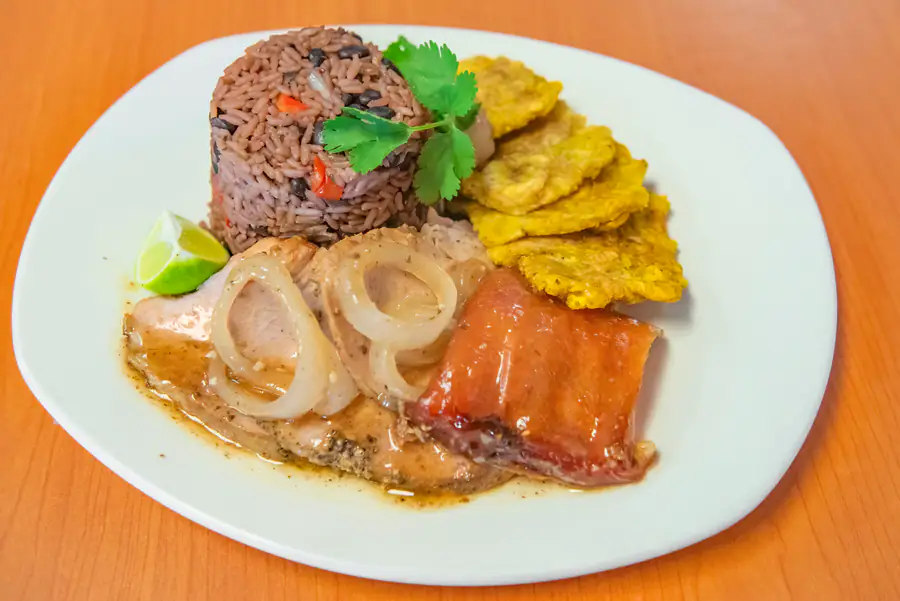
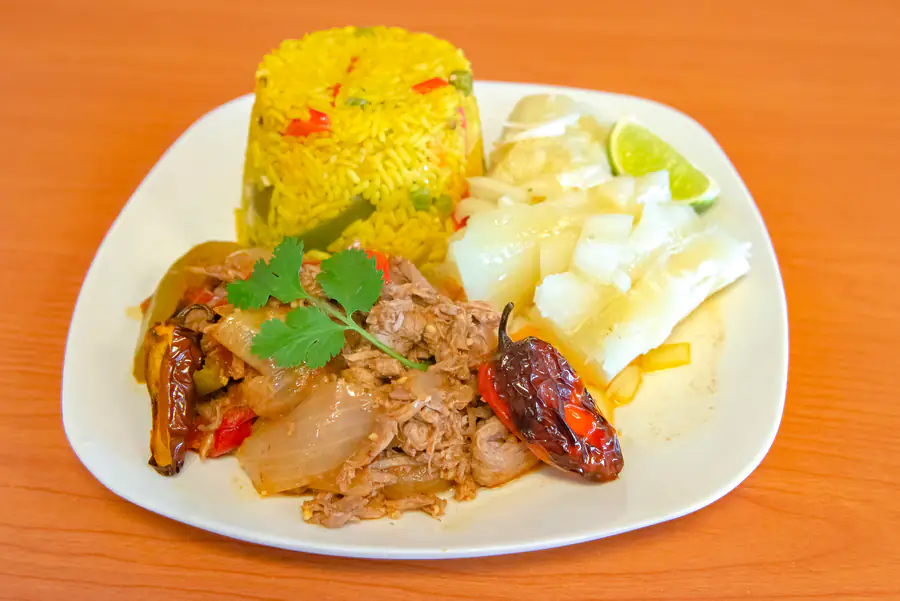
Finding a reliable Cuban bakery in Aurora, CO is one of those small victories that can change your whole week. A good one solves two problems at once. It gives you a fast, satisfying breakfast when the morning is moving too quickly, and it gives you an easy answer for dessert when you want something better than the standard grocery store cake or chain pastry. The appeal goes deeper than convenience, though. Cuban baking has a distinct character. It is rich without always being heavy, sweet without becoming cloying, and practical enough to fit everyday life.
People often first walk into a Cuban bakery for one item, usually a pastelito, a slice of flan, or a strong coffee, then realize the full spread deserves more attention. Behind the glass case, there is usually a rhythm to the selection. Savory pastries are positioned for commuters. Cakes and custards wait for later in the day. Bread moves quickly, especially if the bakery also serves sandwiches or breakfast plates. That mix is what makes the category so useful. You are not just shopping for a treat. You are stepping into a place built around real meals, family habits, and a style of hospitality that values abundance.
If you are looking for a Cuban bakery Aurora CO residents would happily revisit, the best choices tend to get the fundamentals right. The coffee is strong and fresh. The pastry case looks active, not static. Guava, cream cheese, coconut, and caramelized notes are present, but not in a way that feels overdone. Savory items are flaky and warm. Sweet items show restraint in texture and balance. Nothing sits too long. That matters more than a flashy display ever will.
What sets a Cuban bakery apart
A Cuban bakery does not operate like a typical American pastry shop, and that difference becomes obvious within the first few bites. French pastry traditions usually chase extreme refinement, clean lamination, and technical precision. Standard American bakeries often lean into size and sugar. Cuban baking occupies a middle ground. It respects texture, but it also values comfort. It is meant to be eaten on the way to work, packed for an office meeting, brought to a family gathering, or enjoyed slowly with coffee after lunch.
The most recognizable example is the pastelito. The dough should be delicate and layered, with enough butter or shortening character to feel tender but not greasy. Fillings often include guava, cream cheese, coconut, meat, or sweetened custard. A good one breaks cleanly when you bite into it. A mediocre one collapses into dry flakes or leaks filling that tastes one-dimensional. That distinction sounds minor until you have eaten both side by side. The better version feels composed. The weaker one feels assembled.
Then there is Cuban bread and the broader use of bread in daily eating. Even when you are not buying a full loaf, the bread tells you a lot about the bakery's standards. Freshness matters. So does crust. Bread should have enough structure to support pressed sandwiches and enough softness inside to remain pleasant at room temperature. In many bakeries, bread production sets the tone for the rest of the menu. If the bread is stale by midmorning, the rest of the case often reflects the same lack of urgency.
Desserts also have their own signatures. Flan is one of the clearest tests. The best flan is smooth and gently set, with a clean egg custard texture and caramel that tastes slightly bitter in the right way. It should not wobble like gelatin, and it should not feel grainy or overcooked. Tres leches, another common offering in many Latin bakeries, needs balance too. When done well, it is moist but still sliceable. When done poorly, it turns into a soggy square with sweetness doing all the work.
Breakfast that actually carries you through the morning
Breakfast is where a Cuban bakery often earns loyalty. People may come in for a sweet pastry once, but they return for breakfasts that feel complete. There is a practical intelligence to Cuban bakery breakfast options. They are fast, portable, and deeply satisfying without requiring a full sit-down meal.
A savory pastry and coffee can hold you until lunch if the bakery knows what it is doing. Ham and cheese pastries, meat-filled turnovers, and warm breads deliver the kind of salt, fat, and starch combination that works on busy mornings. These are not novelty items. They are working breakfasts. The better versions taste fresh from the oven rather than reheated from yesterday's tray. You can usually tell by the aroma before you order. A fresh batch perfumes the entire room.
If the bakery also serves egg-based breakfasts or pressed sandwiches early in the day, that widens your options. A Cuban sandwich is not always breakfast, strictly speaking, but plenty of people will choose one before noon, especially if the bread is exceptional. In cooler weather, something warm and savory reads as more satisfying than a sweet item. In warmer months, a lighter pastry with café con leche makes more sense. Good bakeries support both moods.
Coffee deserves its own mention because it is central, not incidental. Strong Cuban-style coffee has an intensity that suits the food. It stands up to buttery pastry and sweet fillings in a way weaker drip coffee simply does not. Café con leche, especially in the morning, can be the difference between a rushed errand and a breakfast worth remembering. The milk softens the edge, but the coffee should still taste assertive. If it tastes flat or burnt, the entire experience drops a level.
For someone exploring a Cuban bakery Aurora CO visitors or locals might choose for breakfast, a few items usually reveal quality quickly:
- A guava and cheese pastelito, because it tests both the pastry and the bakery's sense of sweetness.
- A savory ham and cheese pastry, because balance and freshness matter more here than decoration.
- Café con leche, because coffee quality should support the food, not merely accompany it.
- Cuban bread, if sold separately, because freshness and crust are hard to fake.
- Flan, even at breakfast if you are feeling generous with yourself, because custard exposes shortcuts immediately.
That kind of order tells you more than an elaborate spread would. It gives you one sweet, one savory, one drink, one staple, and one dessert benchmark.
The sweet side, why dessert is often the main event
Although Cuban bakeries can carry breakfast with ease, dessert is where they often create memory. People forget a competent muffin. They remember a glossy guava pastry that shattered at the corners and stayed tender in the center. They remember the flan that was barely sweet enough, with caramel that tasted https://collinbiux077.summitquill.com/posts/cuban-bakery-aurora-co-discover-your-next-favorite-pastry dark and adult. They remember bringing home a box of pastries that disappeared before dinner.
Guava deserves special attention because it can divide opinions until someone tastes a very good version. Bad guava filling can seem sticky and overly sweet. Good guava filling is bright, fragrant, and slightly tangy. When paired with cream cheese, it becomes one of the most successful combinations in bakery culture, not just Cuban baking. The fruit cuts through the richness. The cheese adds body. The pastry brings texture. It is a complete bite.
Coconut desserts also show up often, and they can be excellent when handled carefully. Coconut can go dry fast. In a good bakery, the coconut filling stays moist and flavorful, never fibrous or stale. Cakes with coconut should taste toasted or creamy rather than merely sweet. That distinction matters because many customers assume all coconut desserts are interchangeable. They are not. The good ones feel lush and deliberate.
Flan remains the most reliable house test because it cannot hide. The ingredient list is simple. Technique is everything. A bakery that can produce excellent flan day after day usually has discipline in the kitchen. The same goes for other custard-based desserts. Consistency reveals professionalism more clearly than extravagance.
Layer cakes, rolled cakes, and other celebration desserts may be available too, but they require a different kind of judgment. A slice in the display case can look impressive while tasting dry. The better bakeries rotate these items quickly and maintain moisture without relying on heavy frosting. If you are ordering a whole cake, ask what moves fastest and what is made most frequently. High turnover is often a better predictor of quality than visual appeal.
How to tell if the bakery is worth returning to
People sometimes get distracted by atmosphere and miss the signs that matter more. A Cuban bakery does not have to be polished to be excellent. In fact, some of the best neighborhood bakeries look modest from the outside. What matters is movement, freshness, and the condition of the food.
Watch the pastry case for a minute. Are trays partially empty because customers are actively buying, or full in a way that suggests they have been sitting? Ask what came out recently. Staff at a bakery that bakes throughout the morning can usually answer without hesitation. Temperature matters too. Some pastries are best warm. Others are fine at room temperature. A knowledgeable staff member will steer you correctly rather than trying to sell everything as equally ideal.
Listen to the room. Repeating orders tell a story. If several people come in for coffee and the same pastry combination, that is worth noting. Regulars do not return out of sentiment alone. They return because a bakery delivers a predictable pleasure. That kind of reputation is built slowly.
The strongest bakeries also understand pacing. Breakfast items should be ready when breakfast customers arrive. Dessert should still feel fresh in the afternoon. This sounds obvious, but timing separates capable bakeries from great ones. Anyone can produce a good tray at 7 a.m. The challenge is keeping standards up through the day.
Matching your order to the moment
One reason Cuban bakeries work so well is that they reward different kinds of visits. Sometimes you need speed. Sometimes you want to browse. Sometimes you are picking up for a group. The best order depends on what the day asks of you.
On a weekday morning, most people are happiest with a compact order: coffee, one savory item, one sweet item to save for later. That gives you immediate breakfast and a midmorning backup. It is efficient and usually costs less than a full café breakfast elsewhere. On weekends, when time opens up, it makes sense to sample more broadly. Families often mix sweet and savory boxes so everyone gets what they prefer. One person wants guava and cheese. Another wants meat pastry. Someone else reaches for flan. That variety is part of the fun.
If you are buying for an office, Cuban pastries are especially practical. They travel better than frosted cupcakes, feel more interesting than plain donuts, and accommodate mixed preferences without much drama. Savory pastries disappear fast, especially before 10 a.m. Sweet pastries do better when paired with strong coffee. If dessert is the goal rather than breakfast, flan and sliceable cakes often hold up better than delicate items that lose texture in transit.
There is also a seasonal element, even if the menu itself does not change drastically. During colder months, richer pastries and warm coffee feel more satisfying. In summer, lighter sweets and custards tend to win. A smart bakery customer pays attention to weather and timing. The same pastry can feel perfect in January and too heavy in July.
Common mistakes people make when ordering
First-time visitors often make one of two mistakes. They either order too cautiously or too randomly. Ordering one unfamiliar item can leave you with an incomplete impression, especially if you happen to pick something that is not the bakery's strongest offering. On the other hand, grabbing six pastries without understanding what they are can lead to redundancy. You want contrast.
The smarter move is to build around variety in texture and filling. Choose one flaky sweet pastry, one savory item, one custard dessert if available, and coffee. That spread tells you far more about the bakery's range. It also prevents palate fatigue. Four dense sweet pastries in a row make almost any bakery seem less nuanced than it is.
Another common mistake is waiting too late for the most popular items. Certain pastries move quickly, especially those that regulars know to buy early. If there is something you specifically want, morning is safer than afternoon. This is particularly true for bread and warm savory pastries. Dessert items often last longer, but the highest-turnover bakeries may still sell out of favorites well before closing.
Here are a few practical habits that improve the experience without overthinking it:
- Go earlier if you want the broadest selection, especially for savory breakfast items.
- Ask what is freshest rather than relying only on appearance.
- Mix sweet and savory so you can judge the bakery fairly.
- Buy an extra pastry if you are unsure, because the best ones rarely regret that decision.
- Pair richer items with strong coffee instead of a sweeter drink.
None of that requires expertise. It is just the kind of small judgment that makes bakery visits more rewarding.
Why Aurora is a good place to seek out this style of bakery
Aurora's food scene works best when you approach it with curiosity rather than a checklist. The city rewards people who look beyond the obvious retail corridors and chain-heavy habits. Bakeries, in particular, reveal neighborhood character. A Cuban bakery can become the sort of place that anchors a routine, where people stop in before work, after school, or on the way to a family meal.
That matters because Cuban bakery culture is not only about products. It is about repetition and familiarity. The same coffee order. The same pastry box for gatherings. The same habit of bringing something home for others. In a city like Aurora, where many residents value independent restaurants and multicultural food traditions, this kind of bakery fits naturally. It offers something specific without being inaccessible. You do not need to know every pastry by name to enjoy the place. You just need an appetite and a little willingness to ask questions.
For newcomers searching online for a Cuban bakery Aurora CO can genuinely be a rewarding place to explore. The trick is not to expect a generic bakery experience with a Cuban label attached. Expect a different rhythm. Expect breakfast that leans practical, desserts that reward attention to texture, and coffee that takes itself seriously. If you get those elements, you are probably in the right place.
The best choices for breakfast and dessert, side by side
What makes a Cuban bakery especially appealing is that breakfast and dessert are not competing identities. They support each other. The savory side brings daily utility. The sweet side brings charm and memory. You can walk in half-awake and leave with breakfast in one hand and tonight's dessert in a box. Few food businesses handle both tasks equally well. Cuban bakeries often do.
A strong breakfast choice usually comes down to freshness and balance. Warm pastry, good coffee, maybe bread if you are planning ahead. A strong dessert choice depends more on restraint. You want sweetness that enhances flavor rather than overwhelming it. Guava should taste like fruit. Caramel should carry some bitterness. Custard should taste of eggs, milk, and careful baking, not just sugar.
That balance is why people return. The food is satisfying, but it also shows judgment. Nothing needs to be oversized or exaggerated to feel generous. A single good pastelito can do more than a giant, forgettable pastry from elsewhere. A well-made flan can end dinner more gracefully than a towering slice of cake. Even the coffee contributes to that sense of proportion.
If you are trying to decide whether a Cuban bakery deserves a place in your regular rotation, start with the basics and pay attention to the details. Notice the crust on the pastry, the texture of the custard, the strength of the coffee, the way the room moves during the morning rush. Those details reveal whether the bakery is merely offering pastries or actually practicing a tradition.
For breakfast, few things beat a fresh savory pastry and café con leche. For dessert, it is hard to improve on flan or guava pastry done properly. That range is the real selling point. A good Cuban bakery does not force you to choose between practical and indulgent. It gives you both, and in a city where dependable local food matters, that is more than enough reason to keep coming back.
Cuba Bakery & Café
15028 E Mississippi Ave, Aurora, CO 80012
+1 303-752-2822
FAQ About Cuban bakery Aurora CO
What are Cuban pastries called?
Many small Cuban pastries are called pastelitos. They can have sweet or savory fillings, such as guava, cheese, guava and cheese, or seasoned meat. Cuba Bakery & Café lists guava, cheese, guava-and-cheese and beef pastries on its menu. Ask the bakery about current availability and ingredients when ordering.
What are traditional Cuban pastries?
Common Cuban bakery choices include flaky pastelitos filled with guava, cheese or meat. Cuban bakeries may also offer empanadas, breads and desserts alongside coffee. Cuba Bakery & Café lists pastelitos, several empanada fillings, pan Cubano and desserts such as tres leches and bread pudding. Selection can vary, so confirm the day's choices with the bakery.
What makes Cuban bread different?
Cuban bread is known for its light interior and a thin crust that becomes crisp when toasted or pressed. Traditional recipes often use lard, although ingredients vary by baker. It is commonly served as buttered toast or used for Cuban sandwiches. Cuba Bakery & Café lists pan Cubano and tostada on its menu; ask staff about the ingredients in their bread if you have dietary restrictions.