The Best Oils to Use When Cooking Drunken Noodles
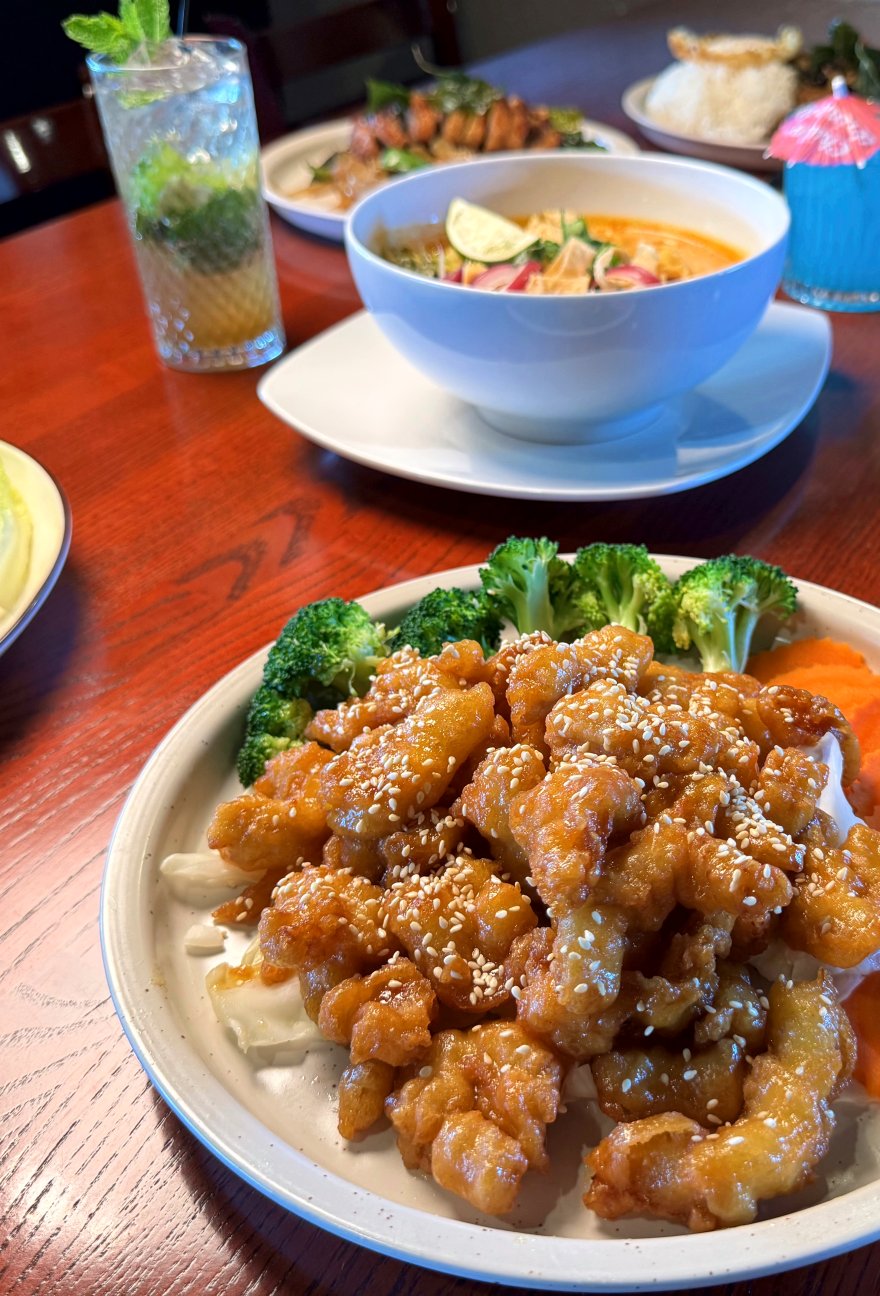
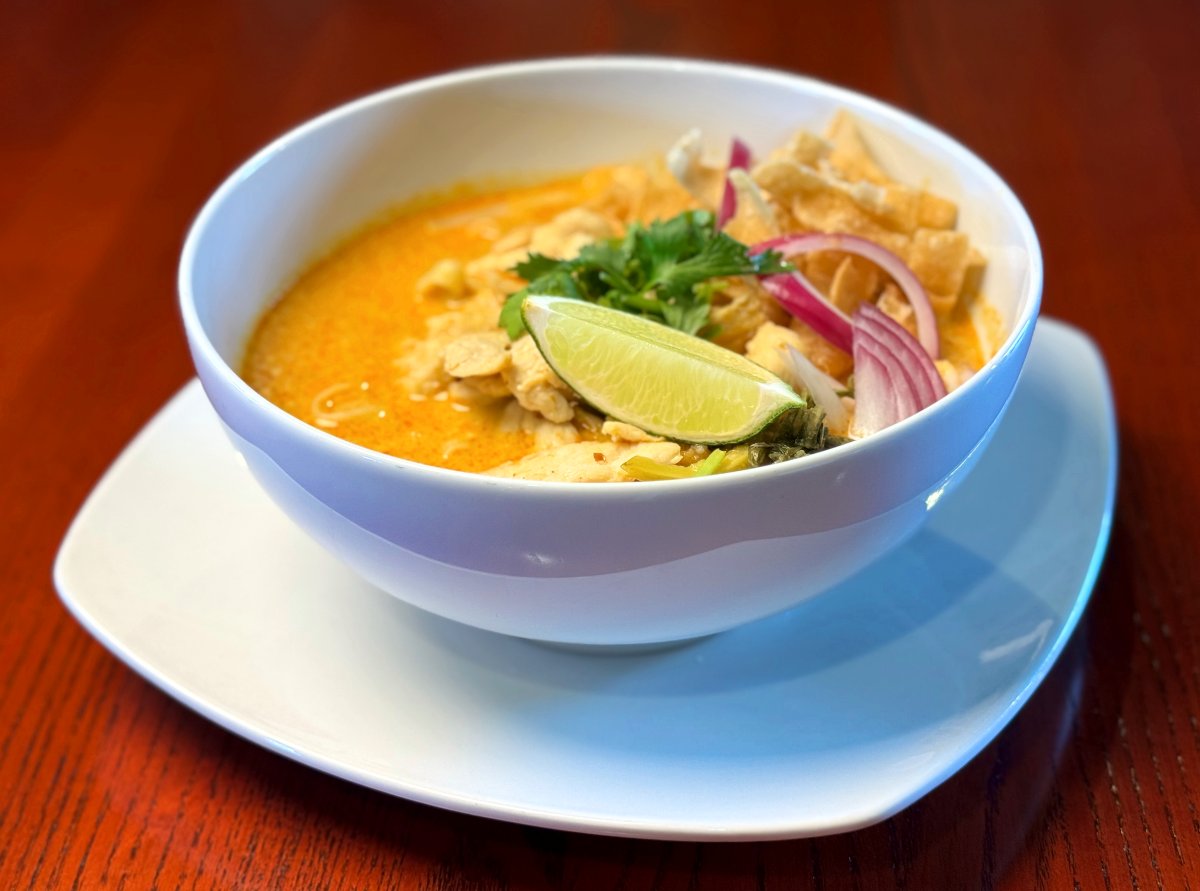
Drunken Noodles reward confidence at the stove. They are not delicate, and they are not meant to be. This is a dish built on heat, speed, and contrast: broad rice noodles that catch sauce in slick folds, Thai basil that wilts at the edges but still smells alive, vegetables that stay bright and a little crisp, and a savory, slightly sweet, slightly spicy finish that tastes like it came out of a seasoned wok in about three furious minutes.
Because the dish moves so quickly, the cooking oil matters more than many home cooks realize. It is not just a neutral medium that keeps food from sticking. The oil sets the tone for the stir-fry. It affects how hard you can push the heat, whether the aromatics bloom or scorch, how the sauce clings to the noodles, and even whether the final plate tastes clean or a little muddy.
I have cooked Drunken Noodles on restaurant burners, on weak apartment electric coils, and on the sort of home gas range that promises power but still gets crowded the second you add cold noodles to a pan. In every setup, one thing stays true: choosing the right oil solves problems before they start. The wrong oil can leave you fighting bitterness, smoke, greasy noodles, or a flavor that clashes with the basil and soy-based sauce.
What the oil is actually doing in Drunken Noodles
When people talk about stir-fry oil, they often reduce the conversation to smoke point. Smoke point matters, but it is only part of the story. Drunken Noodles usually begin with hot oil hitting garlic, chilies, and often protein. That first contact has to be hot enough to wake up those ingredients fast, but not so aggressive that the garlic turns bitter before the noodles even hit the pan.
Then the oil has a second job. It helps coat the rice noodles so they separate instead of clumping, especially if you are using fresh wide noodles that tend to stick together in thick sheets. Finally, it works with the sauce. Oyster sauce, soy sauce, fish sauce, and a small amount of sugar create a glossy finish only if the fat carries them evenly across the pan.
That means the best oil for Drunken Noodles has to meet three practical standards. It needs enough heat tolerance for stir-frying, a flavor profile that does not fight the dish, and a texture that helps the noodles stay slick rather than heavy. Once you judge oils through that lens, a few options rise to the top quickly.
The best overall choice: peanut oil
If I had to pick one oil for Drunken Noodles in most kitchens, it would be peanut oil. It has the right combination of heat tolerance, neutral-to-lightly-nutty flavor, and clean finish. It also behaves well under stress, which matters in a dish where your pan temperature can spike and dip repeatedly in under five minutes.
Peanut oil is particularly useful if you like to push for a little wok char on the noodles. It gives you room to work at higher heat without immediately smoking out the kitchen. Its flavor is present, but not intrusive. In Drunken Noodles, that matters. Thai basil is the aromatic star late in the cooking process, and it should not have to compete with an assertive cooking fat.
In professional kitchens, peanut oil has long been common in stir-fry work because it is dependable. At home, that reliability helps even more. Most home stoves do not maintain fierce wok heat once ingredients are added, so cooks tend to compensate by preheating longer or crowding less. Peanut oil buys you a margin of safety during those imperfect conditions.
There is one obvious caveat: allergies. If anyone at the table has a peanut allergy, this oil is out. It is also not the cheapest option everywhere, though prices vary a lot by region and by whether you buy refined peanut oil in larger containers.
The most versatile home kitchen option: avocado oil
Avocado oil has become a favorite in many serious home kitchens for a reason. Refined avocado oil handles high heat very well, and its flavor is subtle enough for almost any stir-fry. For Drunken Noodles, it performs beautifully when you want the sauce, basil, chilies, and seared protein to do all the talking.
This is the oil I often recommend to cooks who make a wide range of dishes and do not want separate bottles for every cuisine. It is forgiving, stable, and clean-tasting. If your pan runs hotter than expected, avocado oil tends to stay composed rather than turning harsh. That makes it especially useful for cooks who are still learning how quickly garlic and sauce sugars can cross from fragrant to burnt.
The trade-off is cost. Avocado oil can be expensive, and not every bottle on the shelf is worth the premium. Some cheaper products are blended or lower in quality, and flavor can vary. Still, when you https://lanerftr625.rivetgarden.com/posts/comfort-food-with-a-kick-drunken-noodles-done-right find a good refined avocado oil, it is one of the easiest oils to use well in Drunken Noodles.
The classic neutral workhorse: canola oil
Canola oil gets dismissed in some food conversations because it sounds ordinary. Ordinary is not a flaw in stir-fry. In a dish as fast and assertive as Drunken Noodles, canola oil can be exactly right. It has a neutral flavor, a reasonably high smoke point, and a lower price than peanut or avocado oil in many markets.
A lot of weeknight noodle dishes are cooked with canola for one simple reason: it works. It lets the garlic, chili, fish sauce, soy, and basil land where they should. If you have ever made Drunken Noodles with a strongly flavored oil and felt the whole dish taste oddly flat or confused, that is the lesson canola teaches. Sometimes neutrality creates more flavor, not less, because it removes interference.
Canola is especially useful when cooking for a crowd. Drunken Noodles are best made in smaller batches, but even then, you may be repeating the process several times. A less expensive neutral oil makes that easier without a major drop in quality.
The downside is character. Canola brings very little personality. If you like an oil that contributes a faint roasted or nutty note, peanut oil will usually produce a more interesting result.
The underused favorite: rice bran oil
Rice bran oil deserves more attention in noodle cooking. It has a high heat tolerance and a very light flavor, and it often leaves stir-fried dishes tasting clean rather than greasy. With Drunken Noodles, that clean finish is a real advantage because the sauce is rich enough on its own. The oil should support that richness, not pile more on top.
What I like most about rice bran oil in this dish is the texture it helps create. The noodles stay glossy and separated without feeling slick in a heavy way. That can be hard to describe until you taste side-by-side batches, but the difference is noticeable. Some oils seem to sit on the noodles. Rice bran oil tends to disappear into the dish in the best possible way.
Availability is the issue. In some areas it is easy to find, in others it barely exists outside specialty stores. If you see it regularly and enjoy cooking Asian stir-fries, it is worth keeping around.
Grapeseed oil: good, though not my first pick
Grapeseed oil can absolutely be used for Drunken Noodles. It has a clean, neutral flavor and handles respectable heat. It is a reasonable choice if you already keep it in the kitchen. It also tends to feel light on the palate, which suits a noodle dish that can become overly rich if handled poorly.
Still, I usually place it behind peanut, avocado, canola, and rice bran. In practice, grapeseed oil can feel less forgiving when cooks linger too long over the aromatics or let sauce residue cook hard against the pan. It is not a bad oil by any means, but I do not find that it brings anything uniquely helpful to this specific dish beyond neutrality.
If it is your house oil, use it with confidence. I just would not go out of my way to buy it specifically for Drunken Noodles.
Oils that sound appealing but create problems
Some oils earn a place in the kitchen and still make poor choices for this dish. Extra virgin olive oil is the most common example. People reach for it out of habit, and then wonder why the flavor seems oddly off. Drunken Noodles depend on a flavor profile that is savory, aromatic, and a little sharp. Olive oil can introduce grassy, peppery notes that do not harmonize with fish sauce, soy, oyster sauce, and Thai basil. It also tends to protest at the heat levels needed for a proper stir-fry.
Unrefined sesame oil is another common mistake, though a very understandable one. Its aroma is powerful and appealing, and many people associate that smell with Asian cooking in general. But in Drunken Noodles, sesame oil used as the primary cooking fat usually overwhelms the dish. A small finishing drizzle can work in some noodle recipes, but using it to stir-fry the whole dish muddies the basil and dulls the brighter edges of the sauce.
Coconut oil is more nuanced. Refined coconut oil can work from a heat standpoint, and it has a more neutral profile than virgin coconut oil. But virgin coconut oil, with its sweet tropical aroma, is usually a poor match here. The dish may not taste bad, exactly, but it starts tasting like a fusion experiment rather than Drunken Noodles.
A practical ranking for most cooks
If you want the shortest possible path to a good pan of Drunken Noodles, this is how I would rank the best options for most kitchens:
- Peanut oil
- Avocado oil
- Rice bran oil
- Canola oil
- Grapeseed oil
That ranking shifts a bit depending on your priorities. If allergy concerns are part of the picture, peanut oil drops out. If budget is the main concern, canola may jump to the top. If you already use avocado oil for most of your high-heat cooking and like the results, there is no reason to complicate your setup.
Why neutral often beats flavorful in this dish
There is a temptation to assume that stronger oil means more flavor and therefore better food. Stir-fries often prove the opposite. Drunken Noodles already contain strong personalities: garlic, bird’s eye chilies or fresnos, fish sauce, dark soy or regular soy, oyster sauce, sugar, basil, and often seared meat. Add onion, bell pepper, long beans, or Chinese broccoli and the pan gets louder still.
A dominant oil does not add harmony to that mix. It crowds it. Neutral oils are not blank in a negative sense. They are strategic. They let the heat create flavor through browning and concentration, instead of layering in another competing note.
That is why many of the best oils for Drunken Noodles do not call attention to themselves. Their success is measured by what you notice in the finished dish: basil first, the savory sauce next, then the sweet heat of chilies and the slight smokiness from the pan. If you are thinking mostly about the oil, something probably went wrong.
Smoke point matters, but pan management matters more
Home cooks often chase the highest possible smoke point as if it solves every stir-fry problem. It helps, but it does not replace technique. A very high-heat oil will not save garlic that has been left in an empty pan too long, and it will not make a crowded skillet behave like a restaurant wok.
Drunken Noodles cook best when the ingredients are staged and added with purpose. Oil goes in after the pan is fully heated, aromatics hit the pan briefly, protein gets enough contact to sear, vegetables move fast, and noodles are loosened before they ever reach the wok. If the noodles go in as a solid cold mass, even perfect oil will struggle.
I learned this the hard way years ago while testing batches with fresh rice noodles from different shops. One batch had beautiful peanut oil and a properly heated pan, but the noodles were cold and compressed from the refrigerator. They dropped the pan temperature instantly, clumped into a sticky slab, and forced extra tossing that overcooked the basil. The issue was not the oil. It was prep. Good oil gives you a better chance, not a free pass.
Matching oil to your cooking setup
Different kitchens create different needs. On a powerful outdoor burner or a serious indoor wok setup, peanut oil and rice bran oil shine because they take heat extremely well and stay out of the flavor’s way. On a standard home gas range, avocado oil is often the easiest path because it remains stable even when the pan temperature fluctuates.
On electric stoves, where heat recovery can be slower, a neutral oil with good all-around performance, like canola or avocado, usually makes more sense than chasing extreme heat. In that environment, your biggest wins come from smaller batch size and speed, not from the oil alone.
If you are cooking in a nonstick skillet rather than carbon steel or cast iron, a neutral oil becomes even more useful. Nonstick pans do not reward the same high-heat aggression as a wok, so the oil’s role shifts slightly from tolerating fierce heat to keeping the sauce and noodles moving smoothly without building off flavors.
The question of flavor infusions
Some cooks like to infuse oil with garlic or chilies in advance. For Drunken Noodles, I prefer fresh aromatics cooked directly in the pan. Premade garlic oil can burn unpredictably in a stir-fry because the infused solids or compounds may darken faster than expected. It also tends to flatten the liveliness of freshly pounded or sliced aromatics.
If you want more chili character, add fresh chilies. If you want more garlic, use more garlic and manage the heat so it turns fragrant rather than brown. The dish tastes sharper and more immediate that way. Drunken Noodles should feel alive, not pre-perfumed.
How much oil is enough
One of the easiest ways to ruin Drunken Noodles is to use too little oil at the start and too much at the end. Too little oil means the aromatics scorch and the noodles stick. Too much at the end makes the finished dish glossy in a greasy, slippery way rather than a proper stir-fry sheen.
For a home batch serving two generous portions, something in the range of 1 1/2 to 2 tablespoons of oil is usually enough, depending on the pan, the protein, and how oily your sauce ingredients already are. Fresh rice noodles often need less extra oil than dried noodles that were soaked and drained, because their surface behaves differently in the pan. Meat with rendered fat can also reduce the amount you need.
This is where experience beats rigid formulas. Watch the pan. If the noodles begin to separate and gloss over as the sauce reduces, you are in the right zone. If oil pools at the bottom and the noodles slide as one greasy mass, you have gone too far.
A few oil choices for specific situations
Certain cooking situations call for a little judgment rather than a one-size-fits-all answer.
If I were cooking chicken Drunken Noodles for a mixed group and wanted broad appeal, I would use avocado or canola oil. Both keep the flavor familiar and clean. If I were cooking beef Drunken Noodles and wanted a little more edge from the wok, I would lean peanut oil for the way it handles aggressive heat. If the noodles were going to be very chili-forward with lots of basil and long beans, rice bran oil would be especially attractive because it leaves the final dish tasting crisp and uncluttered.
Here is the short version I use in my own kitchen when deciding quickly:
- Use peanut oil when you want the best classic stir-fry performance.
- Use avocado oil when you want a premium neutral oil with wide safety margin.
- Use canola oil when cost, availability, and practicality matter most.
- Use rice bran oil when you want a very clean finish and can find it easily.
- Skip olive oil, virgin coconut oil, and sesame oil as the main cooking fat.
Fresh noodles, dried noodles, and why the oil behaves differently
Fresh wide rice noodles are the standard for many good versions of Drunken Noodles, and they interact with oil differently than dried noodles do. Fresh noodles often arrive slightly oily already and can soften into silky layers with very little help if they are warmed and separated properly. Dried noodles, once soaked or boiled, may have rougher surfaces and can absorb sauce differently.
That means cooks using dried noodles sometimes assume they need more oil than they actually do. Often what they really need is better noodle preparation. Rinse timing, draining, and a light toss to prevent clumping do more for texture than an extra tablespoon of oil ever will.
Fresh noodles, meanwhile, can lull you into the opposite mistake. Because they look supple, cooks may add them straight from the cold refrigerator. When that happens, the oil seizes, the pan cools, and the noodles glue themselves together. A little patience before cooking, letting them warm slightly and loosening them by hand, often matters more than changing oils.
The best choice if you can buy only one bottle
If your pantry space is limited and you want one bottle specifically for Drunken Noodles and other stir-fries, buy refined peanut oil if allergies are not a concern. It offers the most consistently strong results. If peanut is off the table, refined avocado oil is the next best all-purpose choice, particularly for cooks who want one high-heat oil that performs well across many dishes.
For budget-conscious kitchens, canola oil remains a perfectly respectable option. I would rather see someone cook excellent Drunken Noodles with canola and good technique than mediocre ones with an expensive oil chosen for marketing rather than performance.
What good oil looks like in the finished dish
When the oil choice is right, you usually stop noticing it. The noodles look glossy but not drenched. The basil smells bright. The garlic tastes toasted and sweet rather than burnt. The sauce clings to the folds of the noodles instead of puddling underneath them. There is enough lubrication for every strand and slice to move freely in the pan, but not so much that the plate shines like it was dressed after cooking.
Most importantly, the dish still tastes vivid after a few bites. Bad oil choices often announce themselves later. The first bite may seem fine, then the finish turns heavy, stale, bitter, or distracting. Good oil supports the dish all the way through.
Drunken Noodles are a fast dish, but they are not a casual one. Every ingredient has to earn its place, including the oil. Pick one that can handle heat, stay out of the way when needed, and leave the noodles slick rather than greasy. Do that, and the rest of the dish gets much easier. Peanut oil is the strongest all-around pick, avocado oil is the easiest premium alternative, canola is the practical weeknight standby, and rice bran is a quiet specialist that often outperforms expectations. The pan still needs your attention, but the right oil gives you the kind of help that every good stir-fry cook learns to value.
Nakhon Luang Thai Kitchen
Address: 805 Village Center Dr, Colorado Springs, CO 80919
Phone number: +17195315175
FAQ About Drunken Noodles
What makes it drunken noodles?
Drunken noodles, or Pad Kee Mao, get their name from the Thai word khi mao (meaning "drunkard"). They contain no alcohol. The name comes from the idea that the dish is a popular late-night meal to cure a hangover or a great food to eat with a cold beer.
What is the difference between pad see ew and drunken noodles?
While both Pad See Ew and Drunken Noodles use the same wide rice noodles, Pad See Ew is a mild, sweet-savory dish made with dark soy sauce and Chinese broccoli, whereas Drunken Noodles (Pad Kee Mao) are fiery, garlicky, and herbaceous with fresh chilies and Thai basil.
What are traditional drunken noodles?
Traditional drunken noodles, known as Pad Kee Mao in Thai, are a fiery, savory street food stir-fry made with wide flat rice noodles, fresh garlic, lots of hot chilies, meat or tofu, and fragrant holy basil. Despite the name, they contain no alcohol; the dish is traditionally eaten late at night or as a hangover cure because the intense spice helps clear the head.